 Main Menu Toggle

We are the Department of Computer Science & Engineering
Our department is committed to providing high quality educational programs by maintaining a balance between theoretical and experimental aspects of computer science, as well as a balance between software and hardware issues by providing curricula that serves our communities locally and globally.
UNT CSE offers several undergraduate & graduate degree programs including a Bachelor of Art degree in Information Technology, Bachelor of Science and Master of Science degree in Computer Engineering, Bachelor of Science and Master of Science degree in Computer Science, Bachelor of Science and Master of Science degree in Cybersecurity, and a doctoral degree in Computer Science and Engineering. A Professional Master of Science degree in Computer Science is also offered.

The Computer Science program is accredited by the Computing Accreditation Commission of ABET, http://www.abet.org.
The Information Technology program is accredited by the Computing Accreditation Commission of ABET, http://www.abet.org.
The Computer Engineering program is accredited by the Engineering Accreditation Commission of ABET, http://www.abet.org.

-
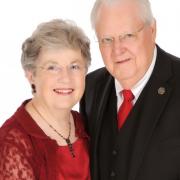
Alumni Focus on Pamela Taylor
In 1959 at the end of my senior year in high school, I heard a speaker during career day talk about how a woman had designed the bridge that arched over I-30 southwest of downtown Dallas. That was when I decided I wanted to become an engineer and design bridges.
-
Alumni Focus on Edward Pershwitz
My story begins in the summer of 1991 when my family and I were new immigrants from Russia trying to adjust to a new life, learn English, and get settled in Boston, MA — our first destination in the United States.
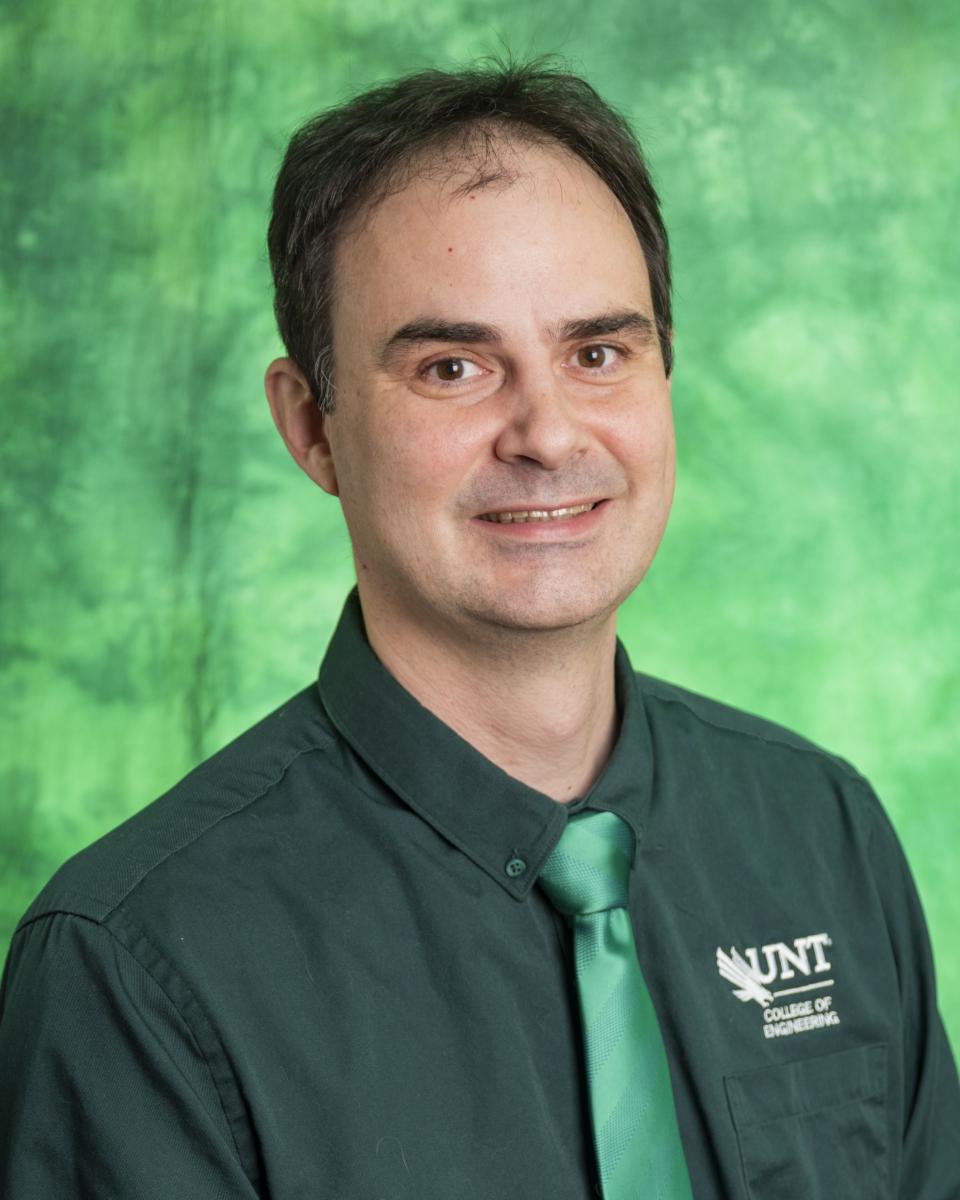
A message from our Department Chair
I would like to extend my warmest welcome to you as the Chair to the Department of Computer Science and Engineering at the University of North Texas. Computing has revolutionized our world as we know it in the past two decades and will continue to serve as the core of all technologies in the 21st century.
- Dr. Gergely Záruba